
Monologue vs Dialogue: Choosing Right for Short Films

Because not every line should be a conversation.
One of the biggest challenges beginner filmmakers face while writing is figuring out when to use monologue, dialogue , or neither. In short films, time is precious and every dialogue, every moment counts. So your choice of how characters speak (or don’t) can make or break emotional impact.
So how do you decide when to let characters talk to each other, speak alone, or stay silent altogether?
Here’s a simple breakdown to help you choose the right voice for your next short.
Monologue: One Voice, One Moment, Big Impact
A monologue is when a character takes the floor and speaks aloud , either to themselves, the audience, or within a scene ; without conversational back and forth.
It is a raw, personal and sometimes messy moment done with the intention to create an emotional impact.
It can be:
- Internal (voiceover): Revealing thoughts
- External (spoken aloud): To an imaginary or silent listener
- Direct address: Speaking to the camera/audience
When to Use Monologue in a Short Film:
- To Show Inner Conflict Quickly Monologues are a powerful shortcut to a character’s emotions. In a short, you may not have time for long dialogue scenes. Sometimes your character has feelings or memories they just can’t share with anyone else. A monologue lets us hear the thought process of a character.
- To Bookend the Film (Start or End) Opening or closing your short with a monologue can set an emotional tone or add depth. Giving a much needed impactful punch to the story.
- When the Character is Alone If your story revolves around solitude, grief, regret, or longing ; a monologue let’s the audience be present along side the character, listening to their thoughts no other characters can hear.
- When You Want to Control the Mood Words have weight. And depending on the method of delivery of these words (soft, loud or sharp) they can shape the whole mood. Monologues can make a moment feel haunting or hopeful.
Short Films That Use Monologue Well:
- The Black Hole - Using visuals this film creates a silent yet symbolic monologue in action.
- Alfonso Cuarón’s Roma (opening) - While not a short, it encourages the usage of silence and inner voice in a minimalist form of storytelling.
- Short theatre-based monologue films on YouTube - YouTube has a number of student films that incorporate monologues as performance pieces.
Dialogue: Conversation That Builds Connection
Dialogue is when two or more characters converse with one another, revealing relationships, conflict, and stories through natural interaction.
Great dialogue:
- Sounds authentic (not scripted)
- Conveys emotion without stating it directly
- Includes subtext , what’s not said is as important as what is
When to Use Dialogue in a Short Film:
- To Show Relationship Dynamics Friendship, romance, tension and betrayal are all reflected in the way people converse with one another.
- To Move the Plot Forward Dialogue can be helpful in the plot when a choice needs to be made, secret needs to be disclosed or and action needs to be taken.
- To Add Rhythm or Humor Well-written dialogue adds to your film’s pace, energy, and levity.
- When There’s Natural Conflict Dialogue is especially needed when two characters want different things. Your entire short can be carried by that push and pull.
Short Films That Use Dialogue Well:
- Chutney - Perfect use of casual, conversational dialogue that conceals deep tension.
- Juice by Neeraj Ghaywan - Exposes power dynamics through realistic, awkward and uncomfortable small talk.
- Speechless - Although there is minimal dialogue, each line is powerful.
What to Avoid with Both:
- Exposition overload - Avoid telling us everything with either. Let the visuals do some work.
- “On the nose” writing - Real people rarely express exactly what they mean. Employ subtext.
- Monologue for style only - Don’t force a monologue just because it “sounds cool.” Make sure it serves the story.
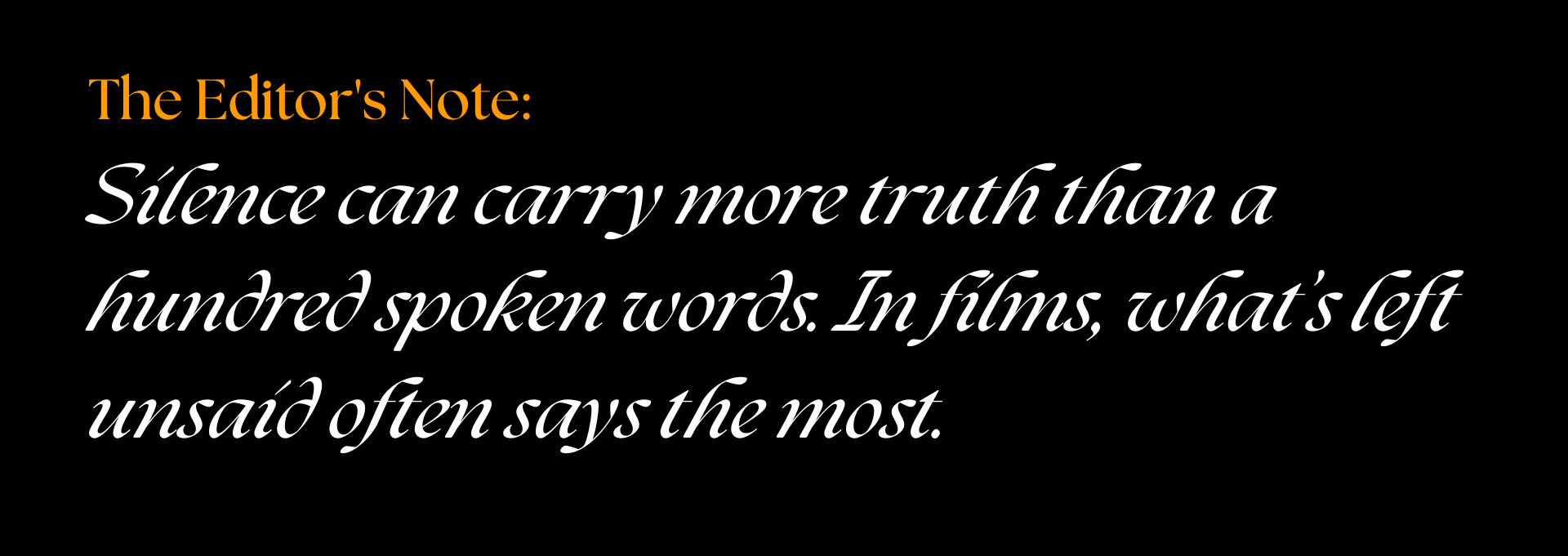
- Unnecessary dialogue - Silence can be more powerful than forced lines.
Pro Tip: Mix and Balance
You do not have to choose one over the other. The best short films use both strategically.
- Open with a voiceover monologue
- Transition into dialogue as characters interact
- End with a visual beat and no words at all
The key is: to use what the calls for, not what the format requires.
Final Thought: Let the Story Decide
Your short film isn’t about choosing monologue or dialogue rather it is about delivering the story as effectively as possible in the limited time you have.
So ask-
What does this character feel?
Is this scene better shown in silence?
Do they need to say something? Alone or to someone?
When you can answer these, you are writing real cinema.